
Anyone can learn the mechanics of Umrah, but understanding why we do each ritual transforms the journey. Behind the four steps lies a story of prophets, sacrifice and mercy that gives every movement meaning. This guide explains the significance of each Umrah ritual, Ihram, Tawaf, Sa’i and Halq, so your pilgrimage becomes an act of the heart, not just the body. For the how-to sequence, see our pillar guide on how to perform Umrah.
The four rituals at a glance
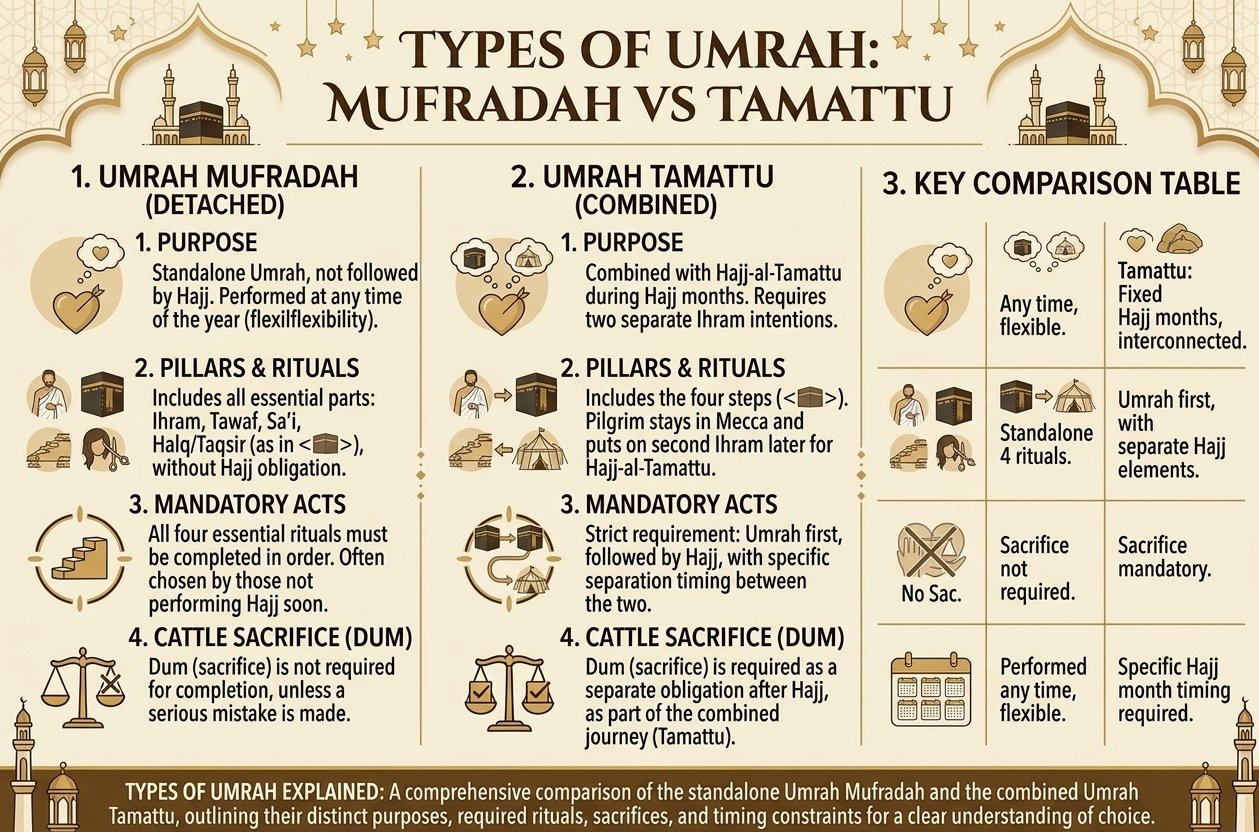
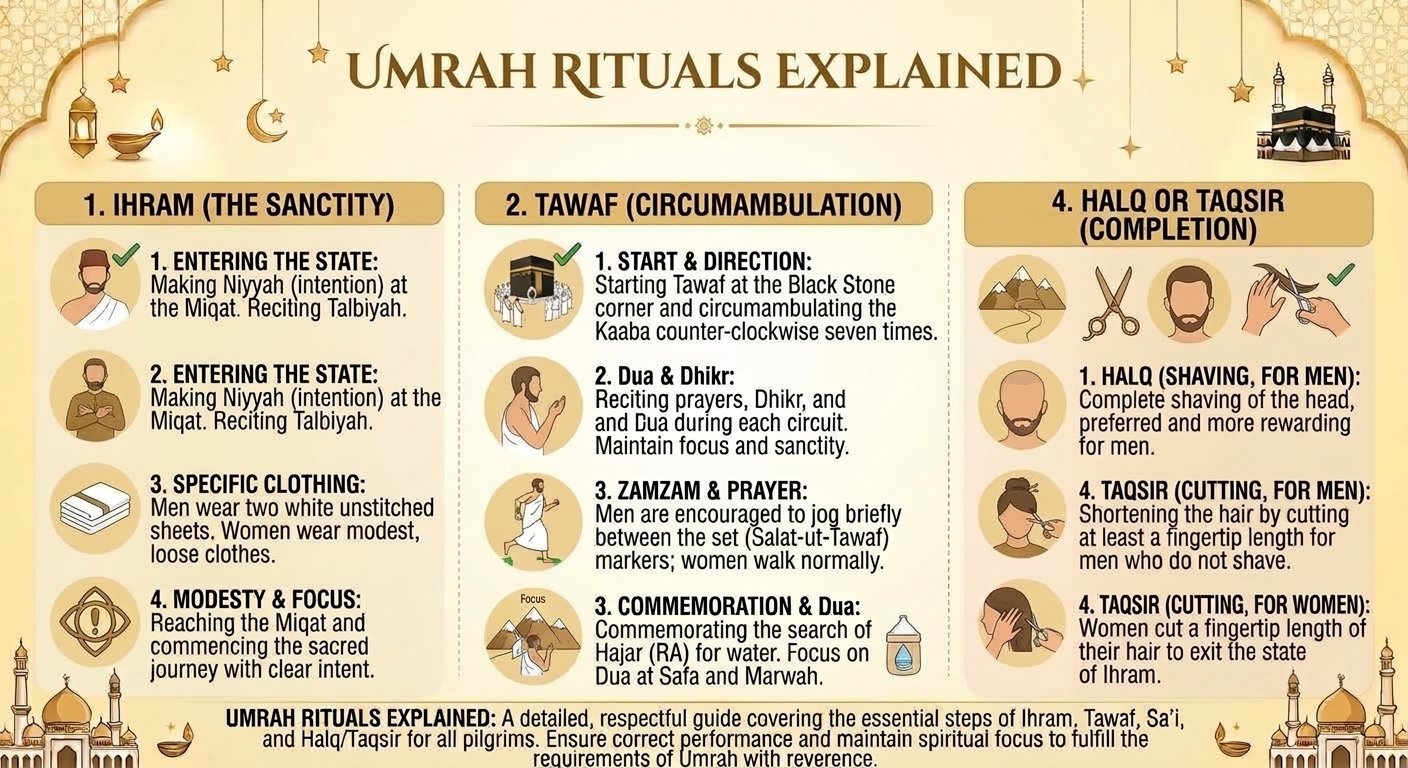
Umrah is made up of four connected rituals performed in order: entering Ihram, performing Tawaf, completing Sa’i, and cutting the hair (Halq or Taqsir). Each one carries deep meaning drawn from the lives of the Prophets.
Ihram: shedding the world
Ihram is more than white cloth; it is a state of purity and single-minded devotion. Stripping away everyday clothes, status and comfort, every pilgrim stands equal before Allah, rich and poor dressed alike. It is a rehearsal of how we will one day stand before our Lord. Learn the practical side in how to enter Ihram.
Tawaf: orbiting the House of Allah
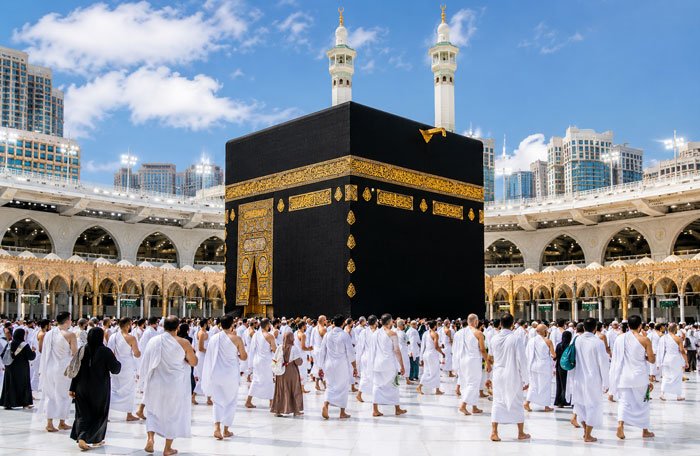
Circling the Kaaba seven times places Allah at the centre of everything, just as the pilgrim’s heart should. The unbroken motion of countless believers around one point is a living picture of unity and submission. The details of the circuits are in how to perform Tawaf correctly.
Sa’i: the lesson of Hajar
Walking between Safa and Marwah retraces the steps of Hajar as she searched for water for her son Ismail, trusting Allah completely. Sa’i honours her patience and effort, and reminds us to strive while relying on Allah. The full account and method are in Sa’i between Safa and Marwah.
Halq or Taqsir: renewal and humility
Cutting the hair marks the end of Ihram and a fresh start. It is an act of humility and gratitude, a sign that the pilgrim submits to Allah and leaves the sacred state renewed. Men shave or trim; women trim a small amount.
How the rituals connect
Together, the four rituals tell one story: we let go of the world (Ihram), we centre our lives on Allah (Tawaf), we strive with trust (Sa’i), and we emerge humbled and renewed (Halq). Understanding this thread is what turns a checklist into worship. Explore the deeper rewards in our post on the spiritual significance of Umrah.
Frequently asked questions
What are the rituals of Umrah?
Four rituals in order: Ihram (the sacred state), Tawaf (circling the Kaaba), Sa’i (walking between Safa and Marwah), and Halq or Taqsir (cutting the hair).
What is the meaning of each Umrah ritual?
Ihram is shedding the world, Tawaf is centring life on Allah, Sa’i is striving with trust like Hajar, and Halq is renewal and humility.
Is Tawaf compulsory in Umrah?
Yes. Tawaf is an essential pillar of Umrah, performed after entering Ihram and before Sa’i.